Website templates for Claude Code
This guide shows how to turn a finished web design into your own site with Claude Code, the coding agent that runs in your terminal. Each of these website templates for Claude Code is a single index.html with an AGENTS.md of editing rules beside it. You download both into a folder, start Claude there, describe your business in one prompt, review the result at two screen widths and publish the folder to any static host.
Ask Claude Code for a site from nothing and it will write one, but the result tends to look like every other generated page: a centered headline, a soft gradient, three equal cards. A designed file changes the job. Claude no longer invents a layout; it rewrites words, swaps photos and recolours variables inside a page whose grid, type and motion are decided. That is why these website design templates for Claude Code ship as files to edit rather than pictures to copy.
Below the grid you will find the terminal setup, a first prompt that makes Claude ask before it writes, editing habits that keep the scroll effects alive, and publishing. The steps are the same for any card above: treat each Claude Code website template here as a starting point, not a finished site.
If you work in another agent, the steps change a little: the guide for Cursor, Codex and Windsurf covers those tools and AI app builders. This page stays with Claude Code, from the first claude command to a live address, and every Claude Code website example in it uses a real repository from the grid.
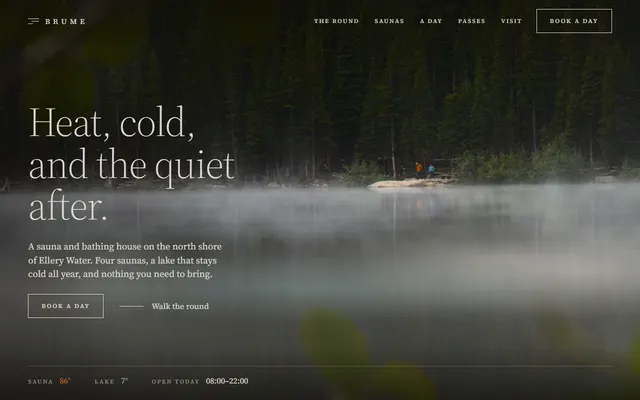
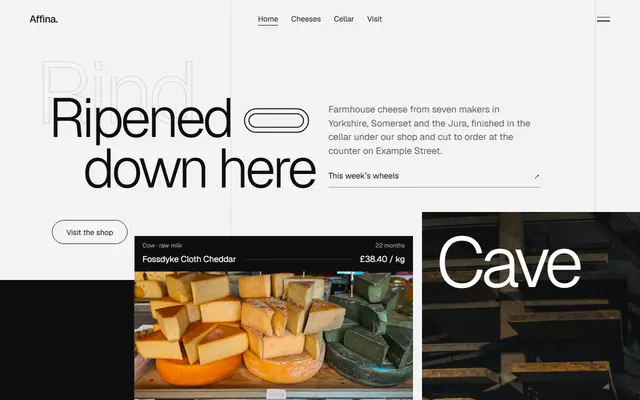
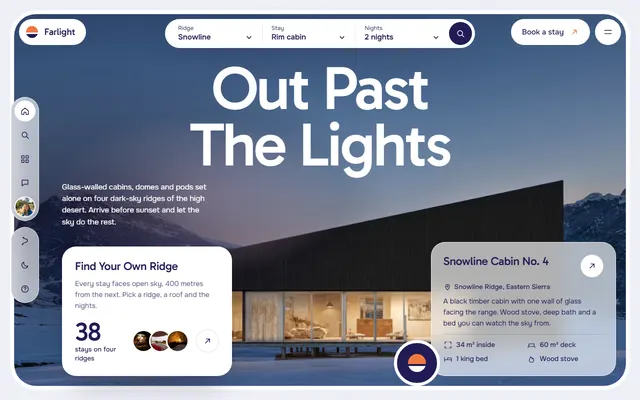
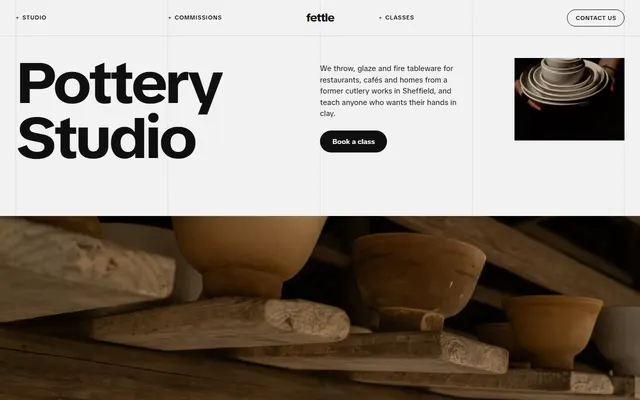
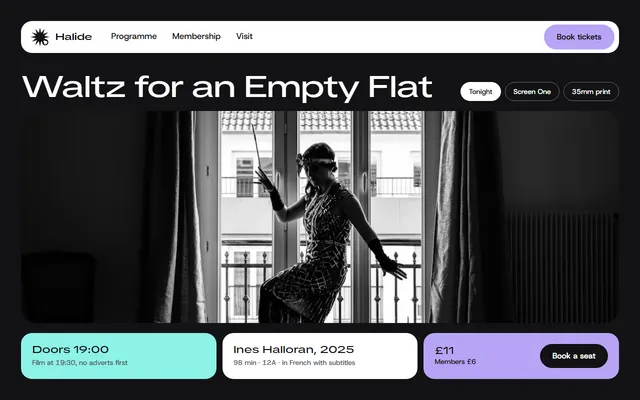
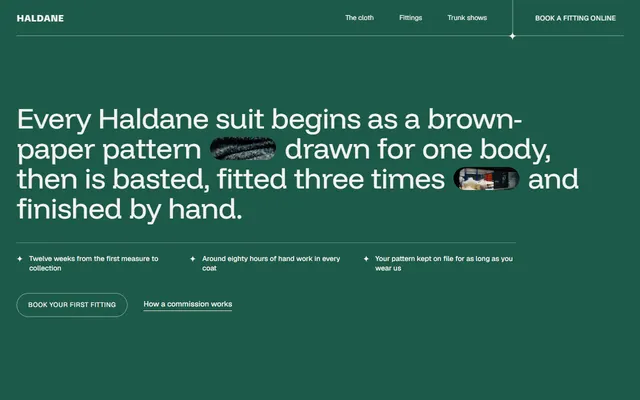
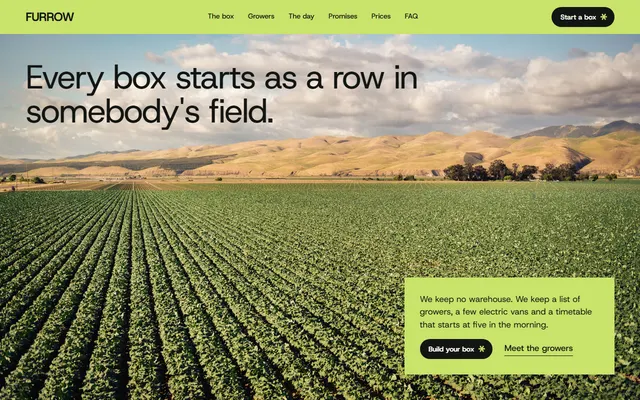
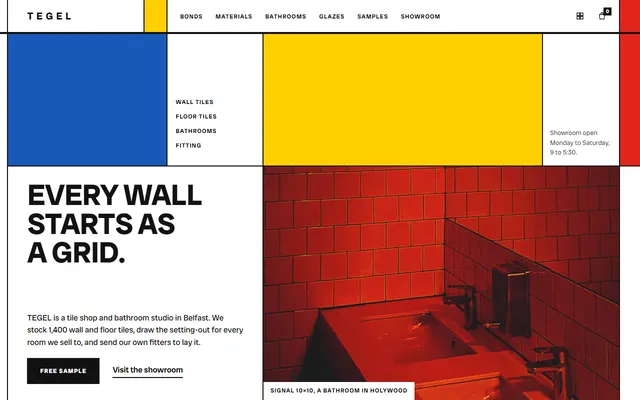
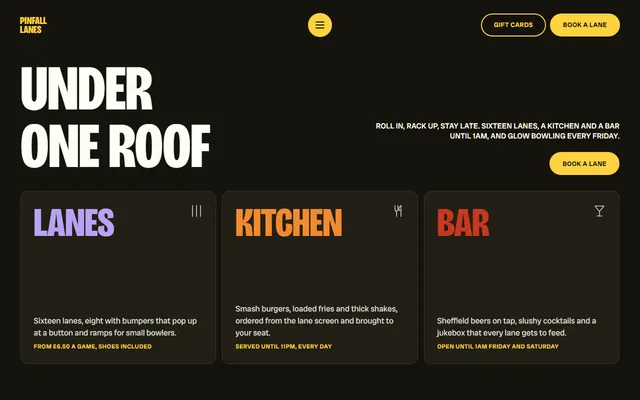
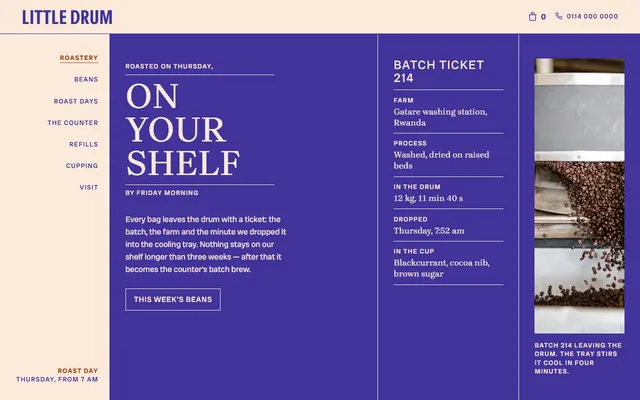
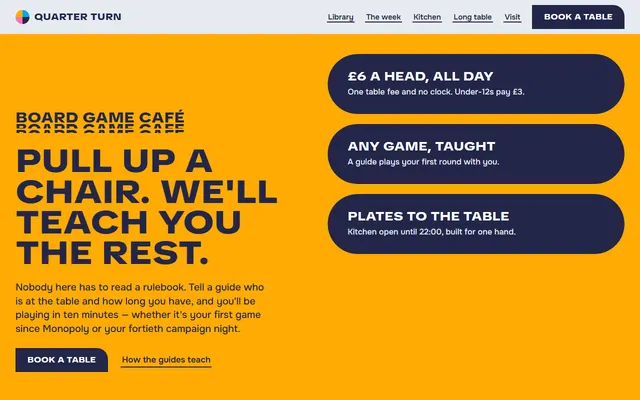
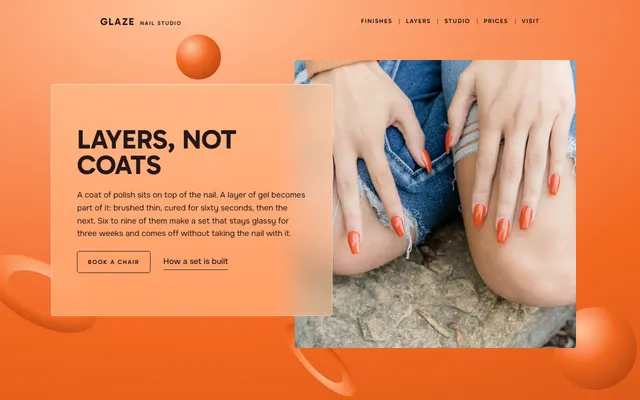
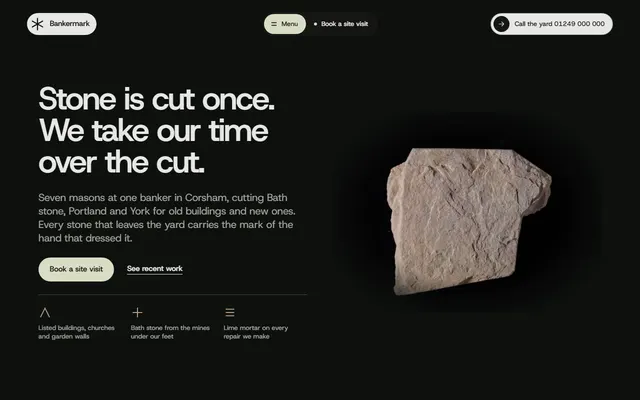
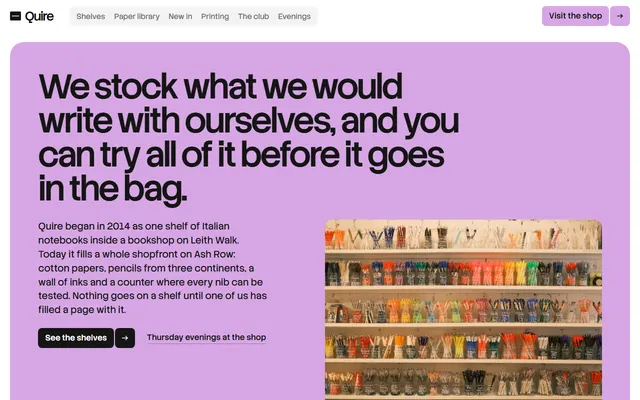
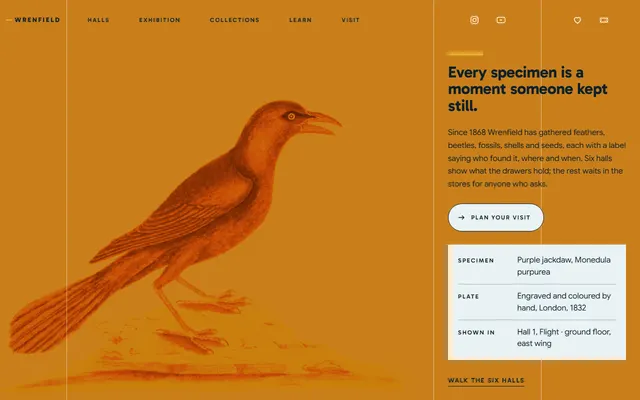
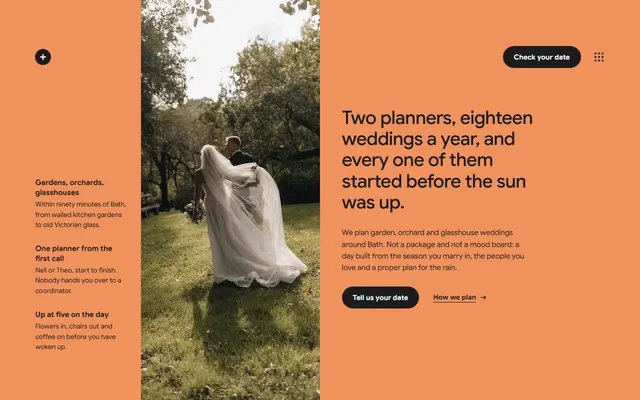
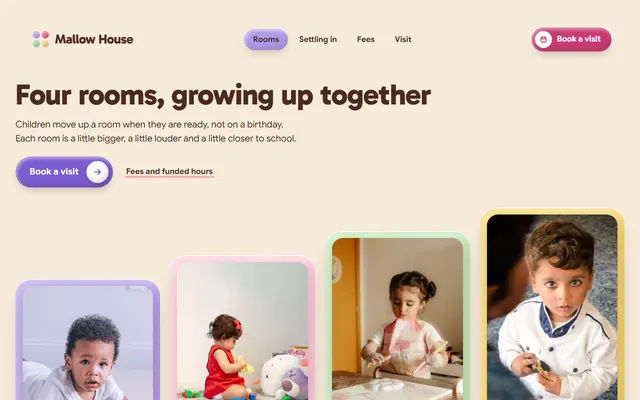
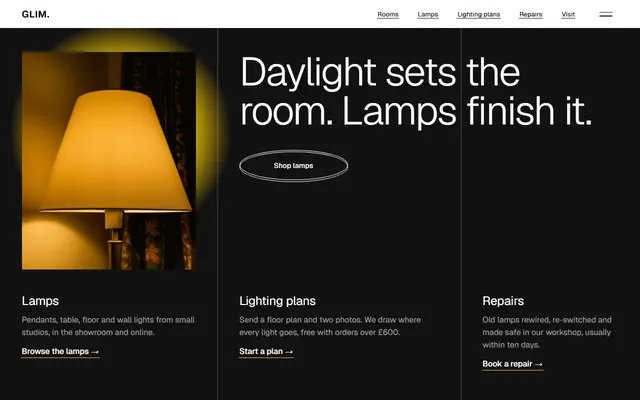
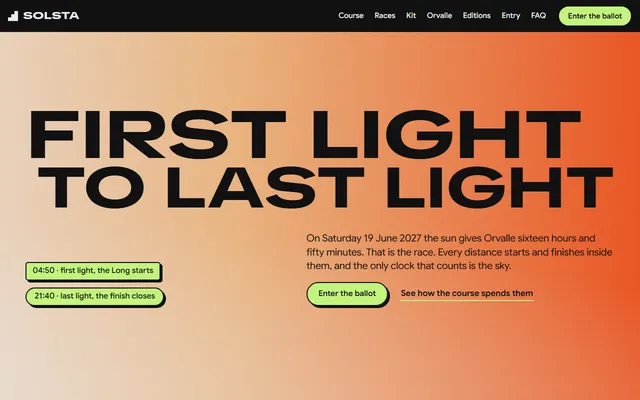
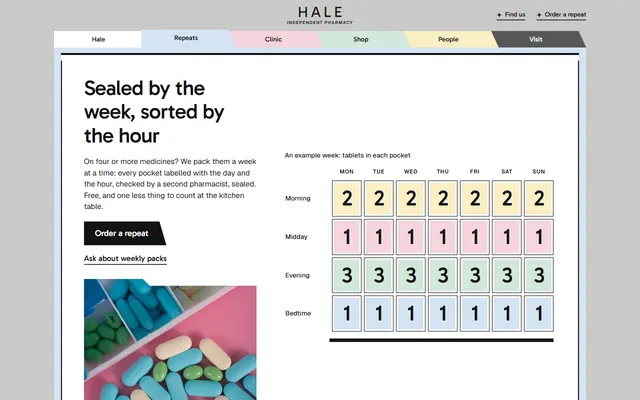
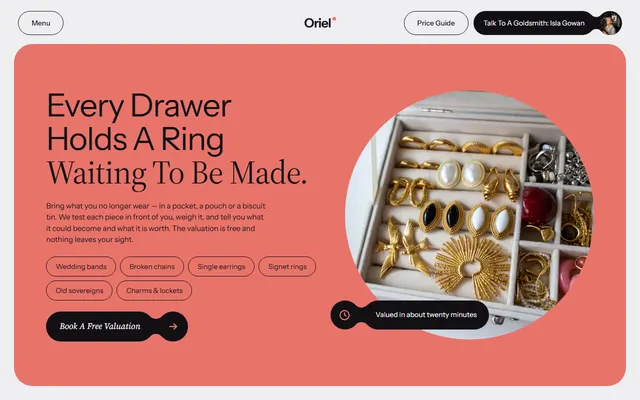
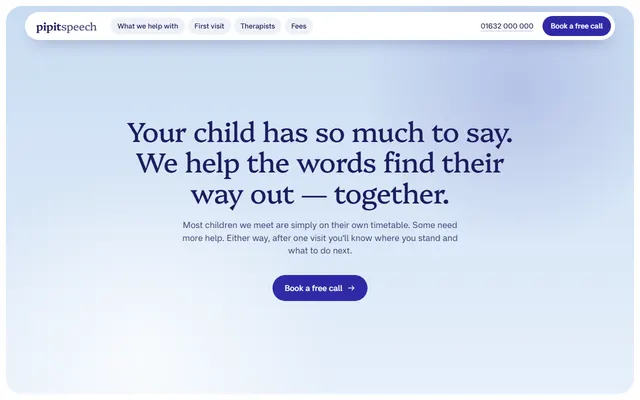
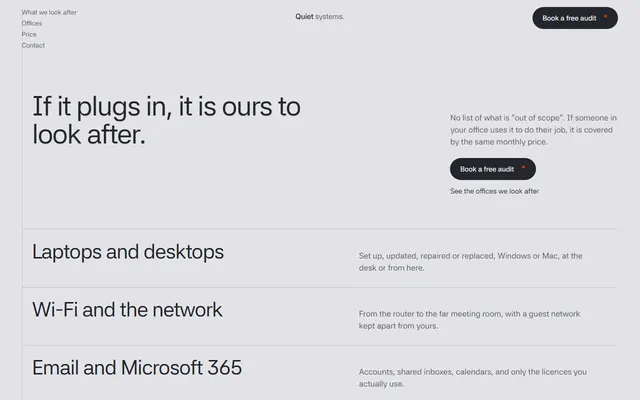
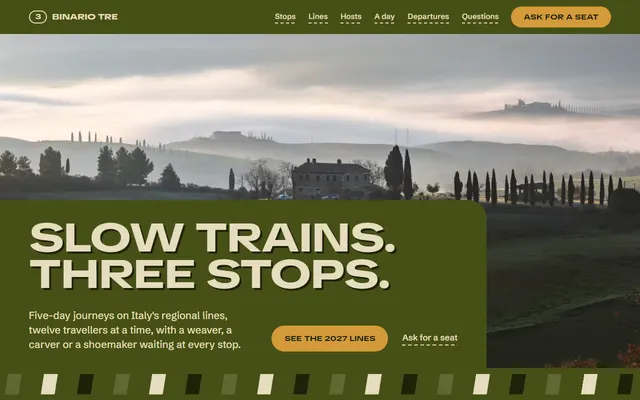
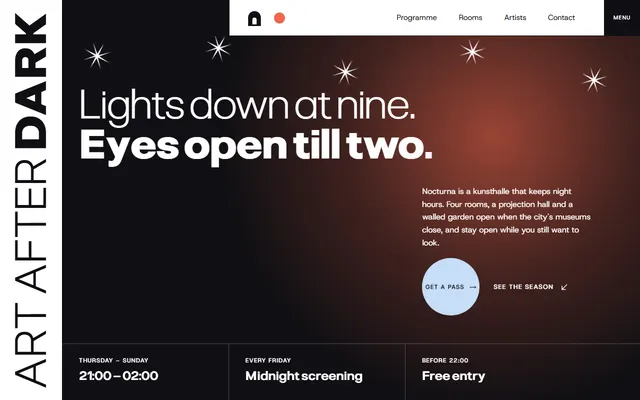
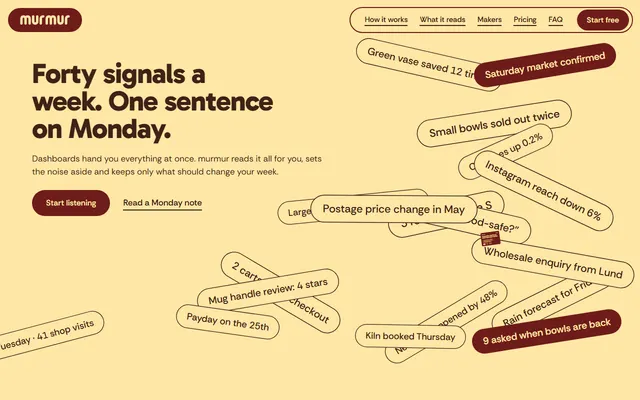
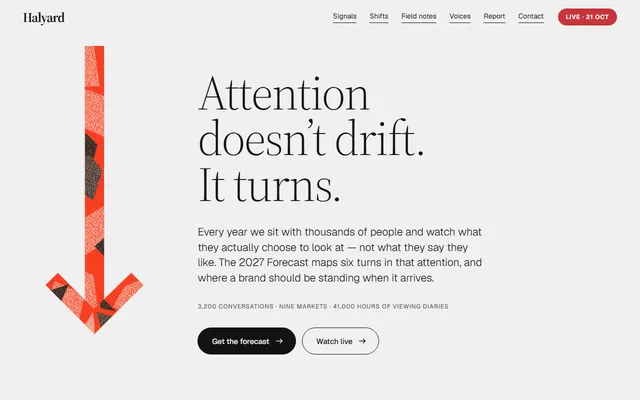
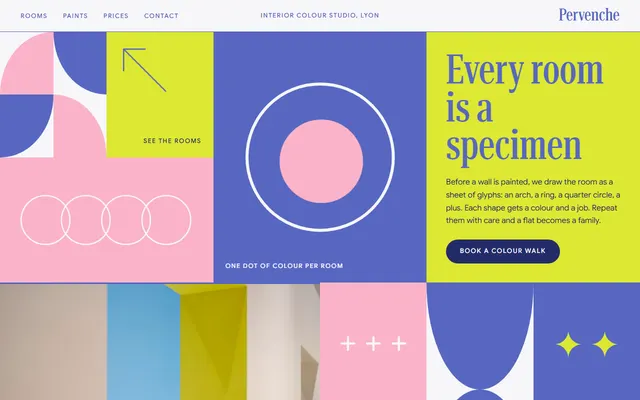
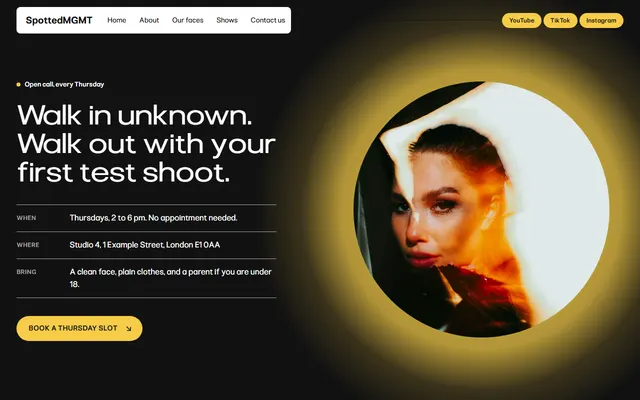
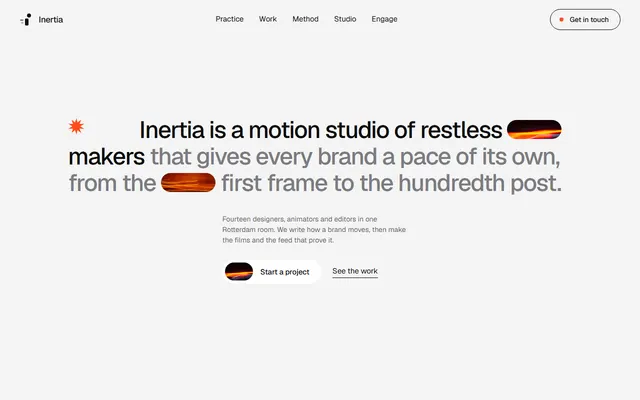
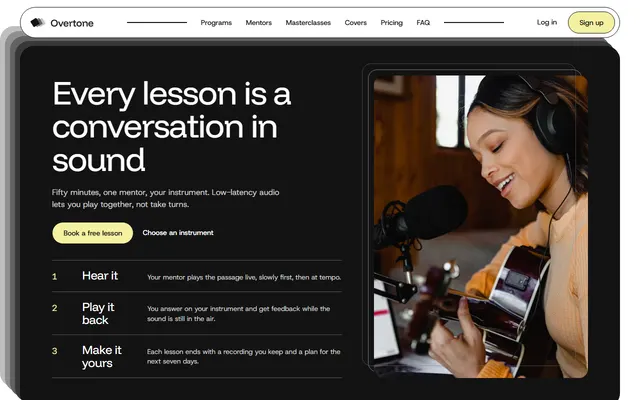
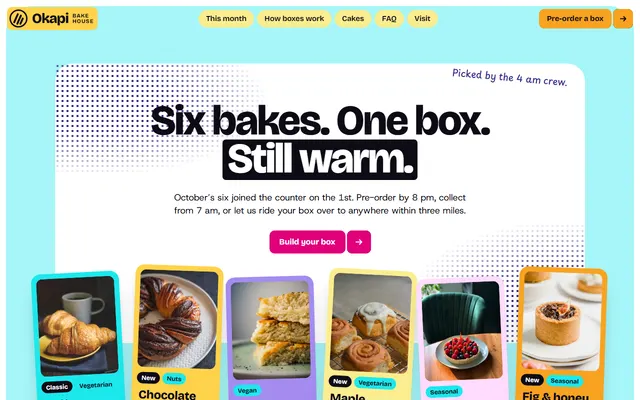
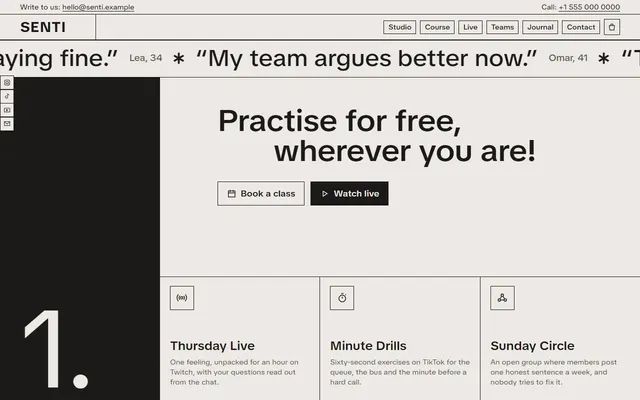
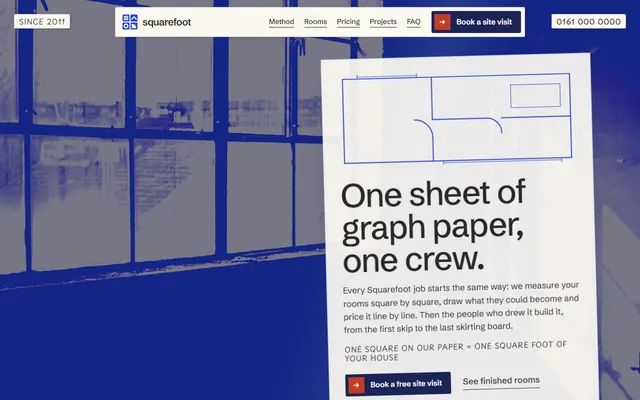
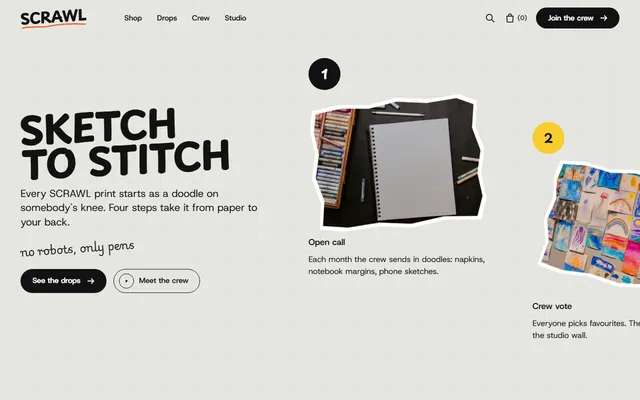
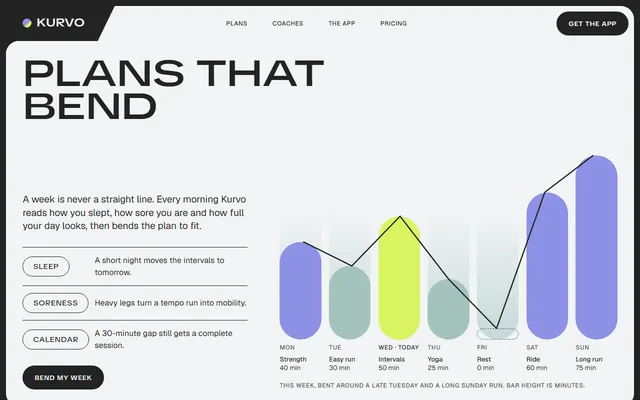
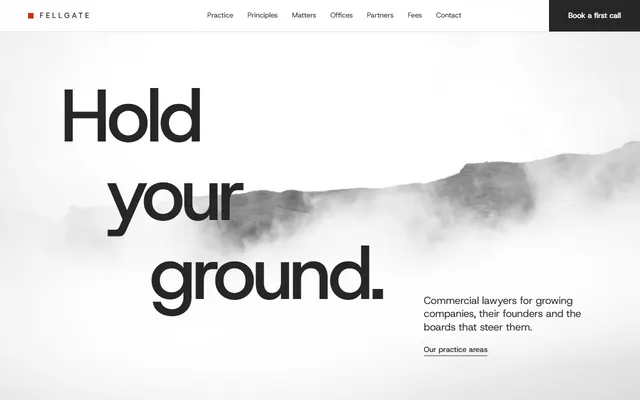
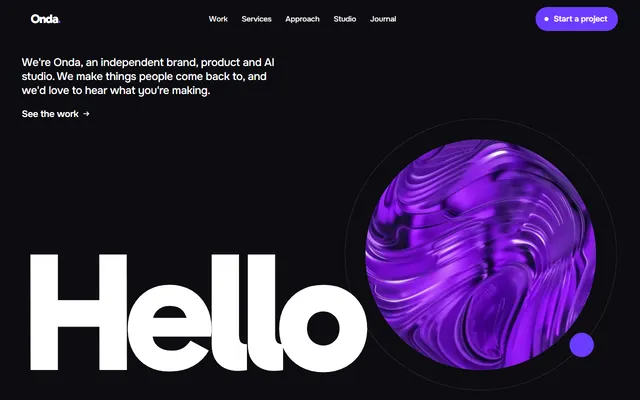
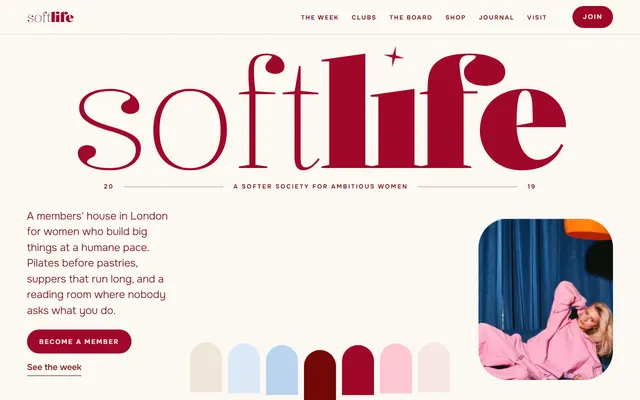
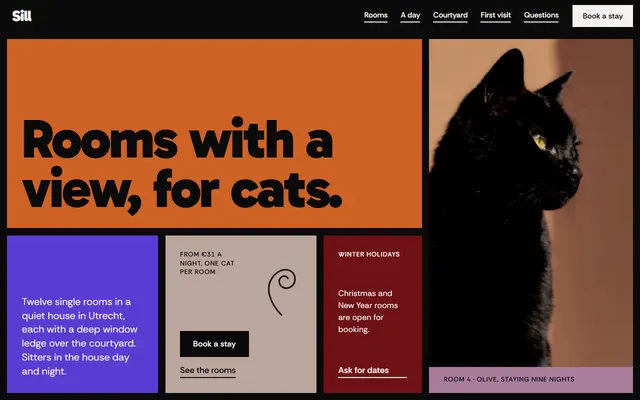
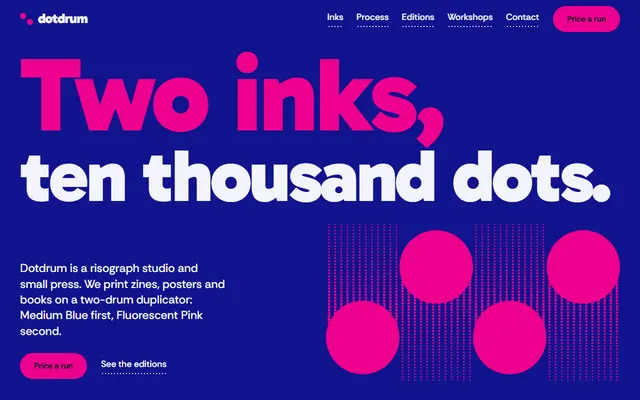
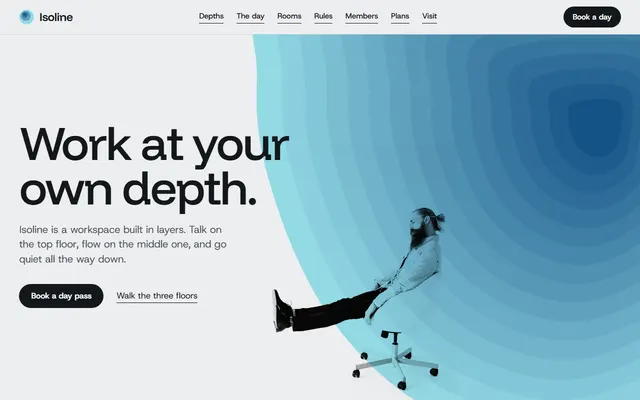
At a glance, November 2026. This page lists 106 templates, all free under the MIT license and made by 8B, an AI website builder. Sorted by what Claude Code has to wire up: 99 carry at least one form that sends nothing until it is connected (mostly contact or booking forms; the podcast has only a search box and a few only an email sign-up), while seven have no form at all (the creative agency, the event, the film festival, the coffee roaster, the language school, the streetwear brand and the fitness app) and rely on email links and buttons. By file size, 22 stay under 100 KB, 55 sit between 100 and 120 KB, and 29 run larger, up to the coworking space at 188 KB.

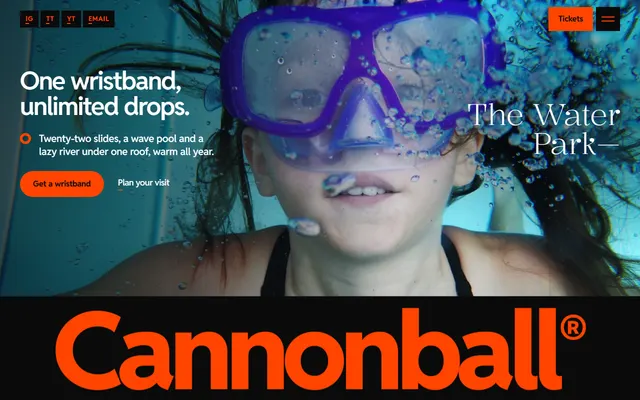
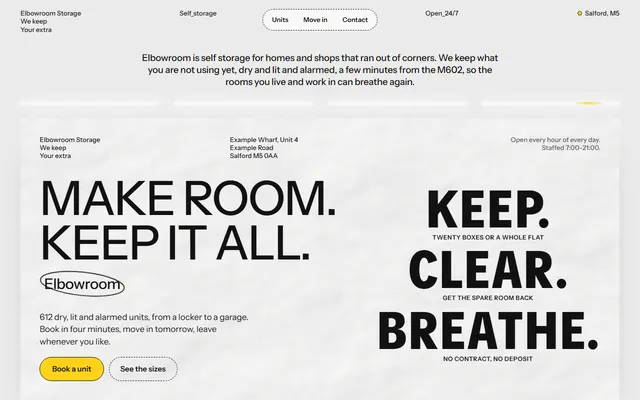
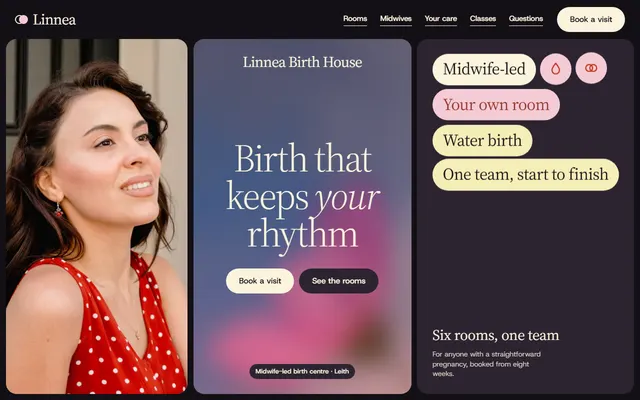
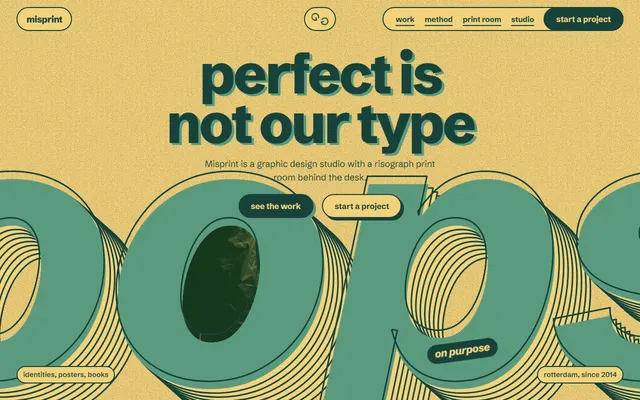

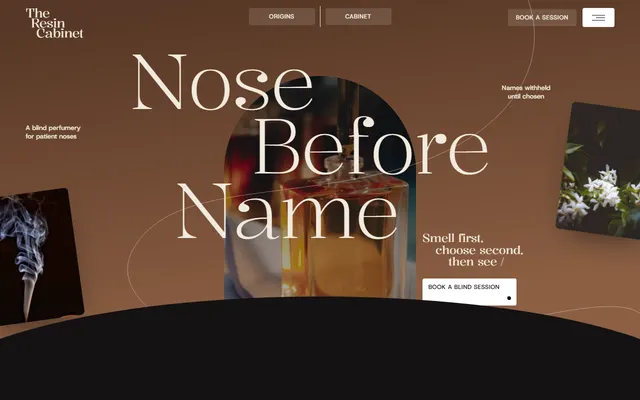
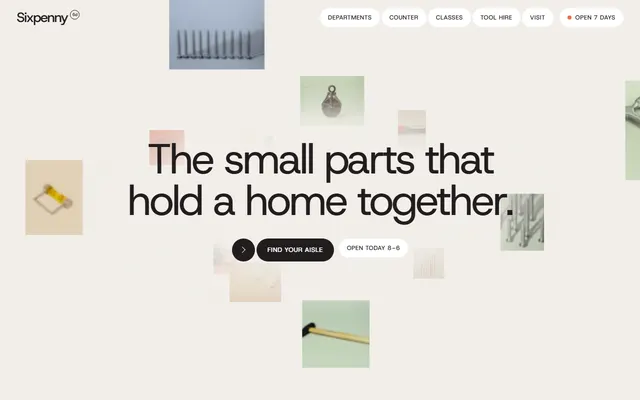
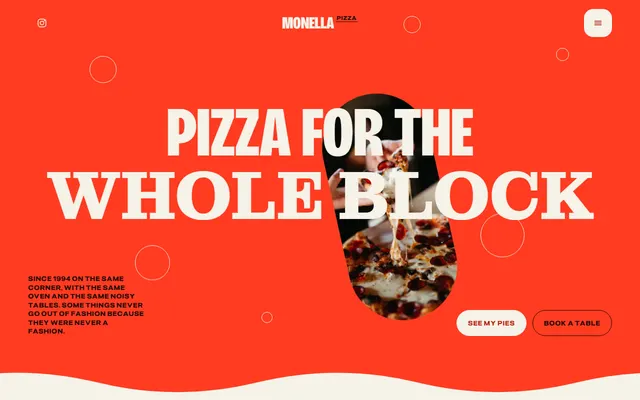
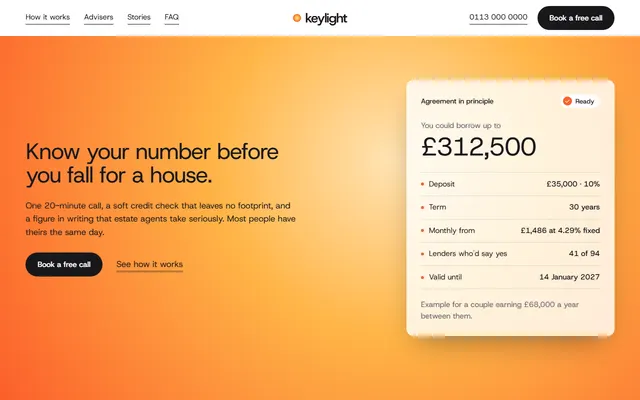


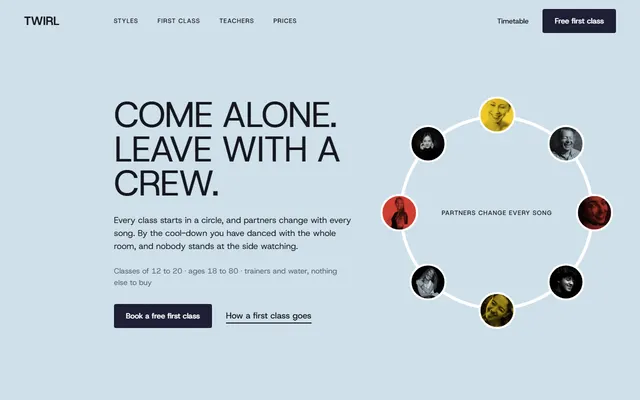
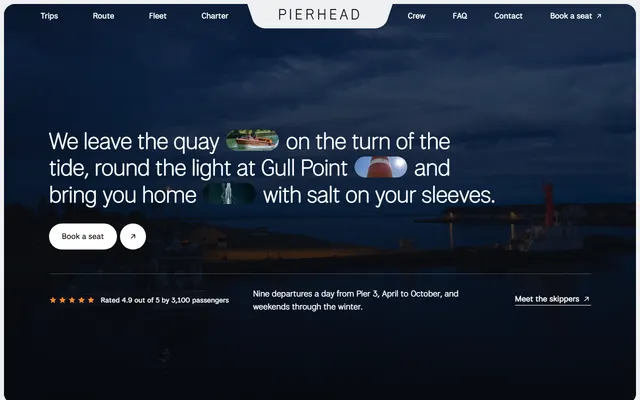
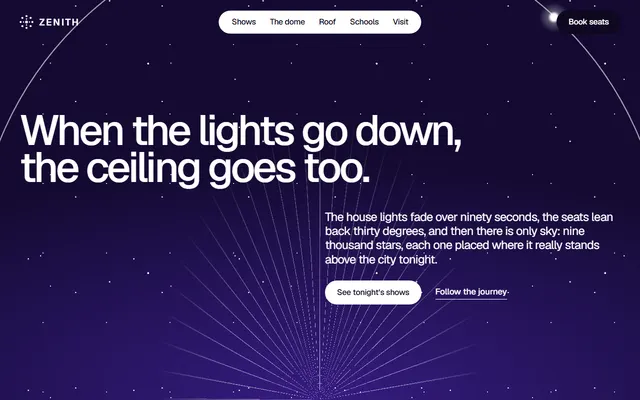
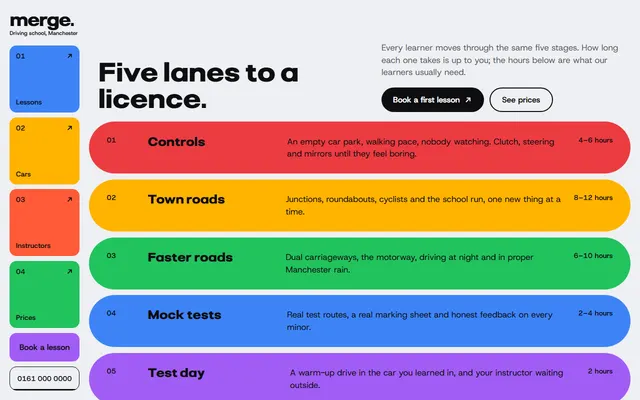


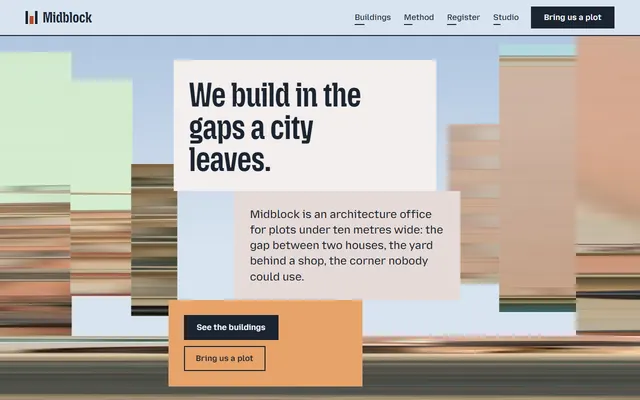
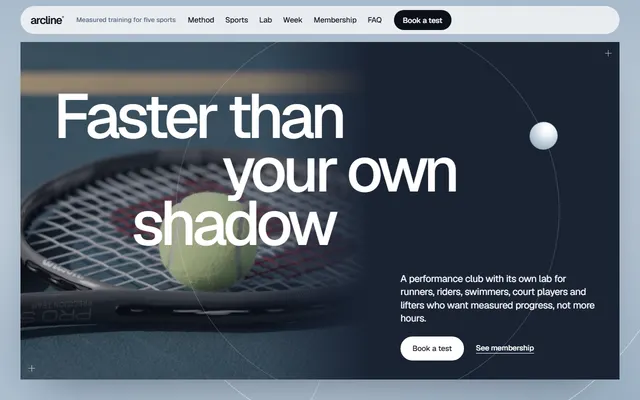
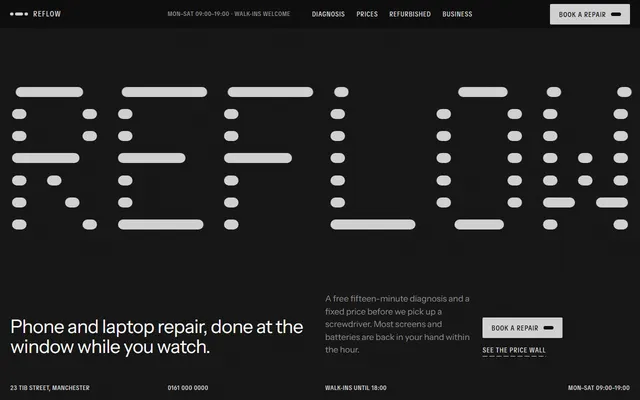
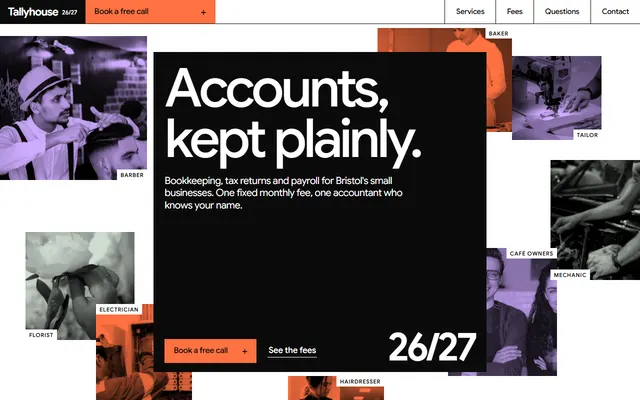
Setting up a Claude Code project from a template
- Make an empty folder for the site and open a terminal in it. One site per folder keeps Claude focused on one
index.html. - Fetch the four files. Take the repository name from the template's page (for the device pre-order page it is
product-landing-page-template) and put it in place of the brackets:On Windows PowerShell writecurl -LO https://raw.githubusercontent.com/8bsite/<repository>/main/index.html curl -LO https://raw.githubusercontent.com/8bsite/<repository>/main/AGENTS.md curl -LO https://raw.githubusercontent.com/8bsite/<repository>/main/LICENSE curl -LO https://raw.githubusercontent.com/8bsite/<repository>/main/CREDITS.mdcurl.exe. AGENTS.md holds the rules for the agent, LICENSE the MIT text, CREDITS.md the photo and font sources. - Or let Claude fetch them. Run
claudein the folder and paste the four lines as a request. Claude Code asks before it runs a shell command; approve it once, or tell it not to ask again for that command in this project. - Add a CLAUDE.md with the single line
@AGENTS.md. Claude Code reads CLAUDE.md at the start of every session and the@line imports the template's rules with it. Recent versions also read a lone AGENTS.md by themselves, but once a folder has a CLAUDE.md, the import is what keeps the rules loaded. The same folder also suits OpenAI's Codex CLI, which reads AGENTS.md with no extra file. - Save the untouched state. Ask Claude to run
git initand commit the four files before any edit. Later,git diffshows what each change did, and a broken section can be restored from that first commit.
The first Claude Code prompt: plan mode and questions
The first message decides most of the result. Press Shift+Tab until the mode indicator shows Plan: Claude then reads the files and answers with a plan, and edits nothing until you accept it. That is the place to catch a wrong guess about your business before it spreads through twelve sections.
Read AGENTS.md and index.html. This page will be the site of <business>: <what you sell, to whom, where>. Before planning any edit, ask me questions one at a time: the main action a visitor should take, prices, opening hours or delivery, contact details. Then list every placeholder and every demo fact you found, with the section it sits in, and propose a plan section by section.The demo text in every template is invented: names, reviews, prices, addresses. AGENTS.md points out those invented facts, and the prompt above turns them into an interview. Answer with real details or tell Claude to remove a claim. A page that keeps a made up rating or a fictional address is worse than a shorter page.
Have ready the business name, the real phone and email, the form destination and a few photos of your own.
Which template to start from in Claude Code
The choice decides how much Claude has to change. Pick the closest business, then check its weak spot before the first prompt.
- A price you can calculate: the managed IT firm has a monthly price card with a slider that updates the total. Claude must change the rate in the
data-rateattribute and the visible figure together, and the slider range if yours differs. Weak spot: the total is always written in pounds. - Sign-ups and donations: the volunteer network holds a sign-up form and a donation picker. Weak spot: the Give now button only shows a preview message, so Claude needs your payment link, with the amount and the monthly box passed on.
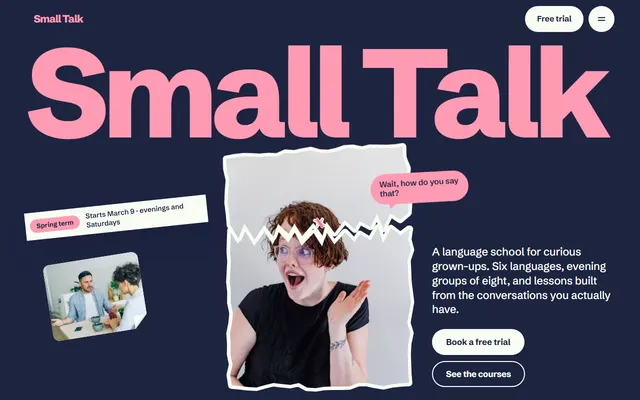
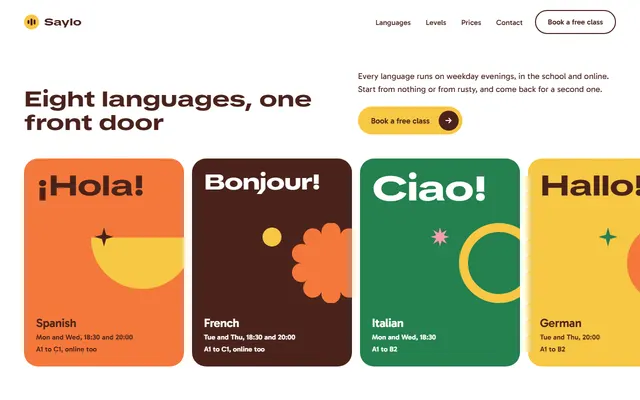
- A short quiz that qualifies a lead: the evening language classes page has a level finder where three answers decide the group. Weak spot: the score ranges behind the result are set for three questions, so adding a fourth means changing those ranges too.
- A paid course with dates: the retraining school for adults has taster evenings, fee plans and a pinned curriculum. At 169 KB it is one of the heavier files here. Weak spot: the booking buttons point at the contact form until you give Claude a calendar link.
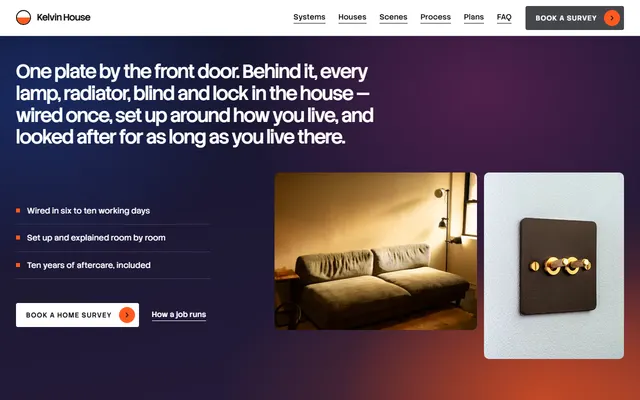
- A hardware or installation firm with fitted prices: the connected home installer lists three plans, a Call button that dials the demo number and a scene section pinned for about three screens. Weak spot: the order is a request form, not a cart.
- A rental priced by size: the lockers and garages page shows four unit sizes with weekly prices, a building specification and a reservation form. Weak spot: the form sends nothing until connected, and the footer links to a privacy page the file does not contain.
Across all of them the limits are the same: no shopping cart, forms send nothing until connected, and a booking button needs a service behind it.
Build a landing page with Claude Code for a product or app
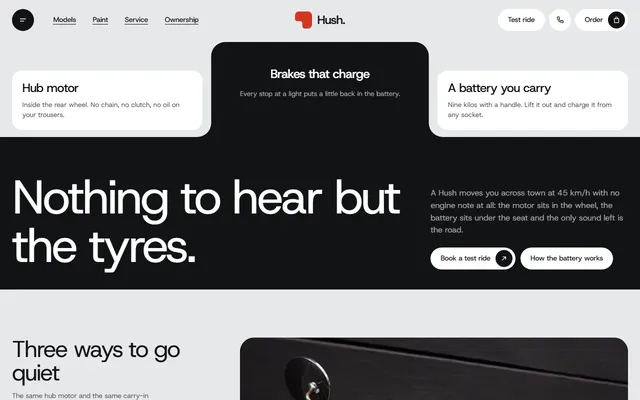
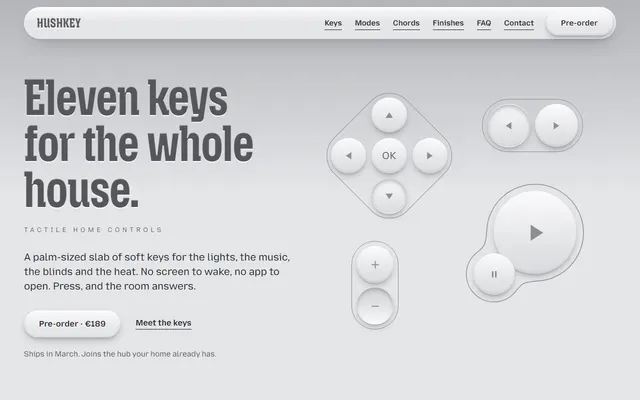
For a product, two cards fit a launch. The device pre-order page has a price, two finishes and pre-order buttons that point at an anchor until you give them your checkout URL.
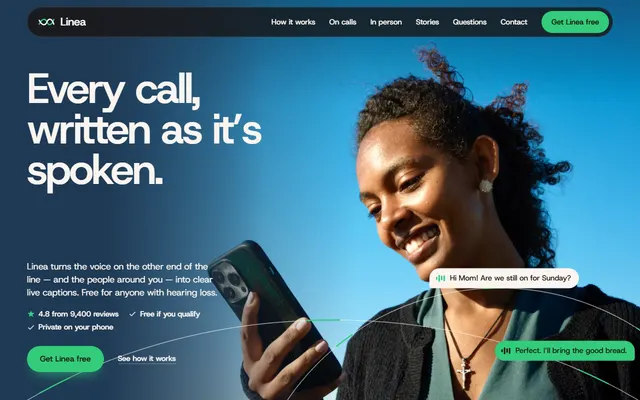
The mobile app page is built around a phone screen, reviews and Get the app buttons that jump to a closing section until you give them your app store link. Either one can be the landing page on your main domain while the app itself lives elsewhere.
A Claude Code landing page prompt for either of them, once the four files are in the folder:
Read AGENTS.md, then edit index.html. Turn it into the landing page for <product>, <one line on what it does and for whom>. Every main button goes to <URL>. Keep the section order, the class names and the scripts. Replace the demo claims with mine and ask about any number you cannot confirm. Show me the new hero text before you write it.A service business that lives on call-backs starts better from the mortgage advice page. Its Request a call button checks the required fields, clears the form and shows a thank-you line, but sends nothing, so the first prompt should ask Claude to connect a Formspree or Netlify Forms endpoint and say where the notification goes.
To build a landing page with Claude Code and no template, ask in the same detail in an empty folder: one index.html, your product and audience, the sections, one visual direction, meta tags, and questions before code. The result is plainer, but fine for testing an idea.
Editing a template in Claude Code one change at a time
Once the content is in, ask for one change at a time. "Make the accent a dark green through the CSS variables" is an edit you can judge; three requests in one message leave you guessing which one broke the page. The current colours, type sizes and spacing of every template are listed in its DESIGN.md file, so you can name the exact token you want changed.
- Look after every change. Open
index.htmlin a browser, then switch the developer tools to a 375 px phone view. Most problems show only at phone width. - Show Claude what you see. Paste a screenshot of the broken spot into the prompt and name the section. Claude Code reads images.
- Keep the moving parts. Each template has motion that follows the scroll, run in
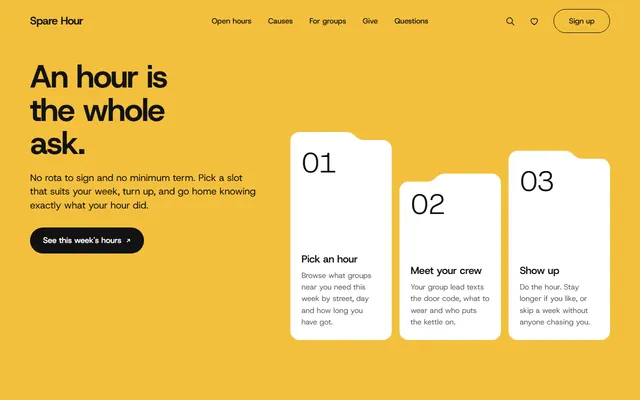
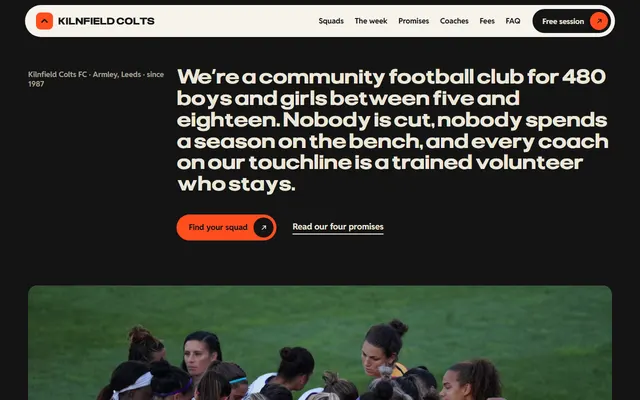
index.htmlby CSS scroll-driven animations and a small inline script, with a GSAP build of the same page kept asindex.gsap.html. Both builds look up classes and data attributes listed in AGENTS.md. If a section stops moving after an edit, ask Claude to compare it with the first commit and put back what it removed. - Test the pinned sections. In the volunteer youth club design the squads deck pins from 1081 px wide and the week slides sideways; below that width the cards are dealt in one by one. After Claude rewrites the text, scroll both layouts, because a longer paragraph changes how far a pinned section travels.
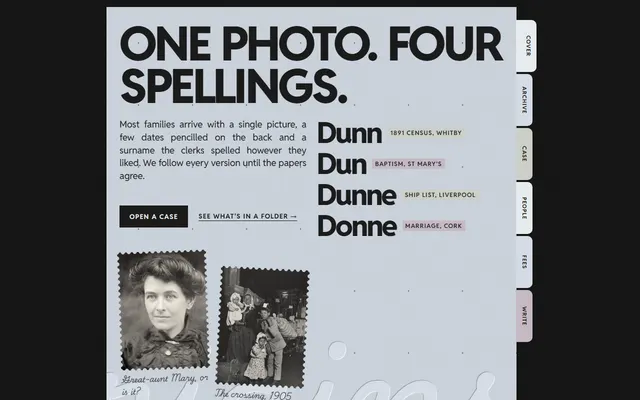
- Keep tabs working. The family history research page has index tabs that switch four panels and respond to arrow keys, Home and End. If Claude renames the tab classes or the section attributes listed in AGENTS.md, the tabs stop switching.
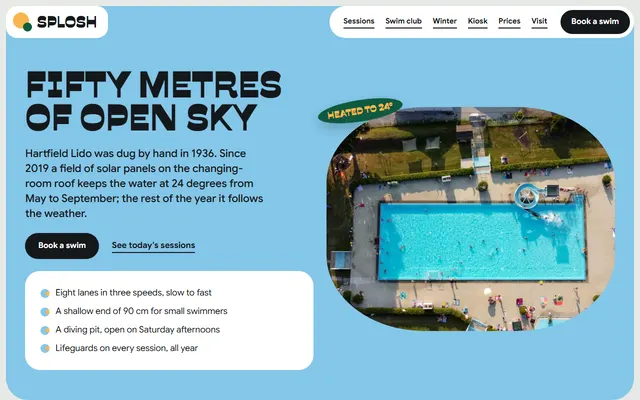
- Test the ticket tabs. On the leisure pool page the Day ticket and Season band tabs switch by click or arrow keys and need JavaScript; without it the season panel stays hidden. After Claude edits the prices, open both tabs.
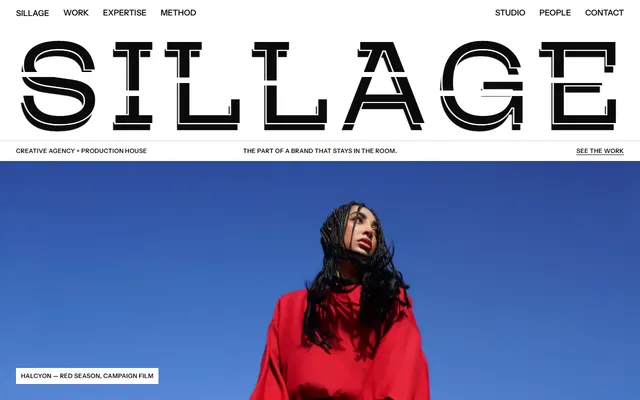
- Mind the contact paths. In the production house design the request and booking buttons open email messages, so give Claude real addresses or the URLs that should replace them. Elsewhere a form shows a thank you message and sends nothing until Formspree, Netlify Forms or your own backend is connected.
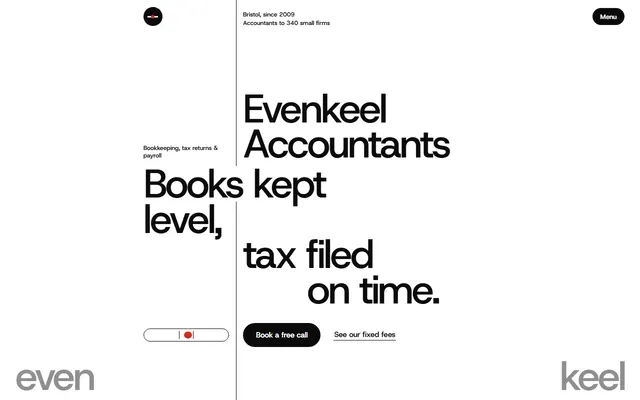
- Check the small links. The small business bookkeeping page has a map icon in the footer that searches for a demo city: ask Claude to point it at your office.
Press Esc to interrupt Claude when it heads the wrong way; it keeps what it has done and waits for your correction.
Why Claude Code works from the file, not from a demo link
It is tempting to paste a demo address and say "make me this". Claude Code's web fetch tool does not hand the raw page to the model: it converts the page to Markdown and, for most fetches, runs your request against it in a separate model call. Claude receives the answer of that call, not the CSS, the markup or the animation scripts.
From that answer Claude can only rebuild a similar outline. With the downloaded file in the project, it edits the actual markup, keeps every style rule and leaves the scripts in place.
Claude Design, Claude Code skills and the 8B plugin
Claude Design is Anthropic's visual design tool. These files do not live inside it; they are plain HTML for agents that edit files. A sensible split is to explore a look in Anthropic's tool and make the real page in Claude Code from the downloaded index.html, where the scripts and markup stay intact.
Claude Code also loads skills and plugins, but these templates need neither: the rules sit in AGENTS.md, and a Claude Code landing page skill would only repeat them.
When you want a page for your business made from scratch rather than adapted by hand, 8B publishes a plugin for Claude, 8b-ai-website-builder. You describe the business, it picks an 8B design, writes the text, shows a live preview in the conversation, takes changes in plain words and gives you the site as one HTML file to download.
Publishing a Claude Code site from the terminal
The template has no build step, so publishing means copying files to a static host. AGENTS.md and the README are not part of the site, so ask Claude to put index.html, LICENSE and CREDITS.md into a docs folder, commit it and publish that folder. Then pick one route:
gh repo create my-site --public --source=. --push
npx netlify-cli deploy --prod --dir=docs- GitHub Pages: the first line creates a repository and pushes the folder with the GitHub CLI. In the repository settings, under Pages, choose deploy from a branch,
main, folder/docs. Claude can run the line, but signing in to GitHub is yours to do, and so is pointing a custom domain at Pages. - Netlify: the second line publishes the
docsfolder; the first run asks you to log in and pick or create a site. Netlify Forms needs an attribute and a hidden field on the form, which Claude can add. - Before either: connect or remove the form, replace the preview image and favicon, and set the title and meta description.
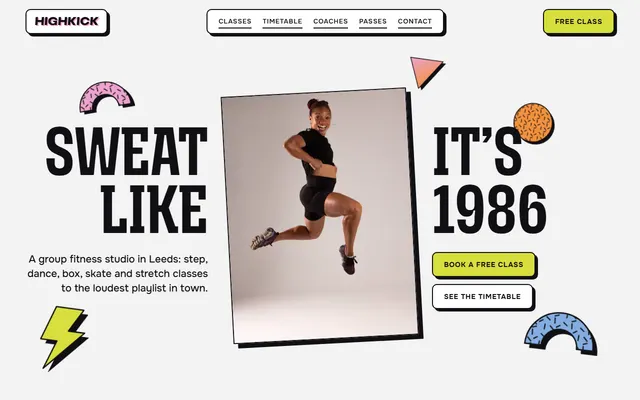
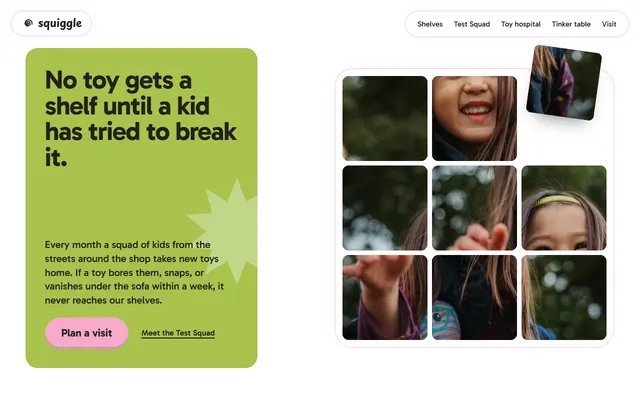
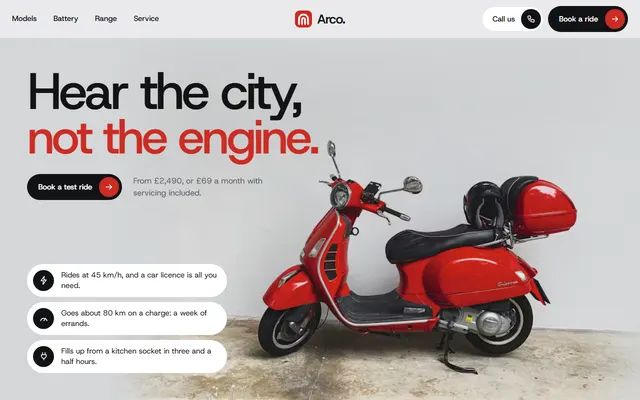
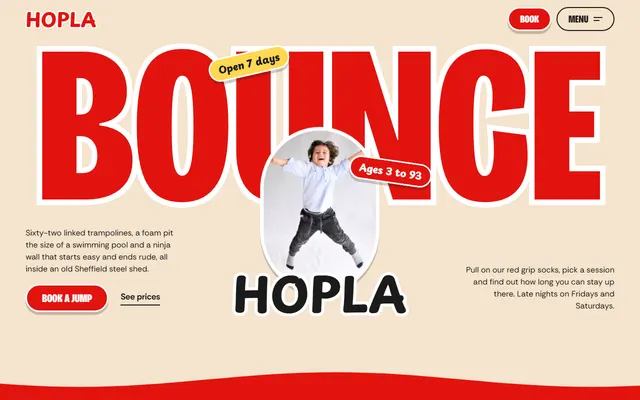
One honest limit: the page needs a connection. Fonts come from Google Fonts and the photos from Unsplash's servers. The motion needs nothing more: every index.html is one of the pages that move with CSS alone and loads no script from a CDN. Only the GSAP build, index.gsap.html, loads GSAP, ScrollTrigger and Lenis from jsDelivr, and in the dance studio, toy store, group fitness, electric moped and trampoline park builds also MotionPathPlugin, which moves an element along a curve.
Claude Code website questions
Can Claude Code build a website by itself?
Yes. Claude Code writes HTML, CSS and JavaScript from a description and can publish it with the GitHub or Netlify CLI. Starting from a designed file lets Claude spend its effort on your content instead of layout.
Where can I get free Claude website templates?
Here: all 106 are free under the MIT license, for your own and client sites, with the code in public repositories under github.com/8bsite. Photos are Unsplash images under their own license, listed in each CREDITS.md.
Do I need an MCP server to use a template with Claude Code?
No. curl puts four plain files in your folder and Claude Code edits them like any other project. An MCP server or a plugin only matters if you want Claude to build a new page for you from an 8B design.
How do I make Claude Code follow AGENTS.md in every session?
Put the line @AGENTS.md in a CLAUDE.md file in the same folder. Claude Code loads CLAUDE.md when a session starts, and the import brings the template rules in with it, even after you add notes of your own to CLAUDE.md.
Can Claude create a website that looks like a demo I like?
Only roughly from a link. Its web fetch hands Claude a model's answer about the page, not the source, so the copy loses the design. Download the file and ask Claude to edit it instead.
Will Claude Code break the scroll animations?
Rarely, if it keeps the classes and data attributes AGENTS.md names. When a section goes still, ask Claude to diff that section against the first commit and restore what changed. Renamed classes are the usual cause.
Which template is the smallest to start with?
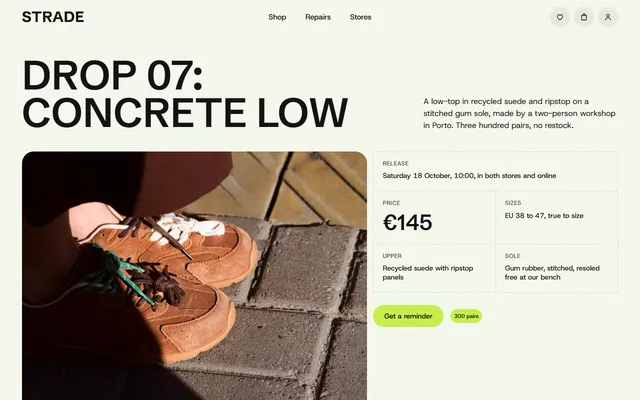
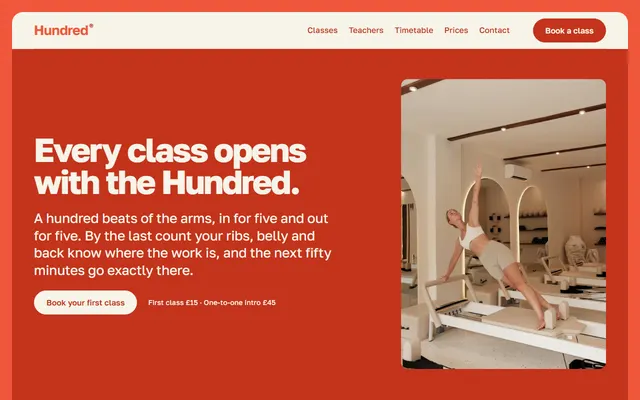
The sneaker store one, at 66 KB with 10 sections. The graphic design studio comes next at 85 KB, then the Pilates studio at 86 KB. A smaller file means shorter reads and quicker diffs.